
There has been a significant surge in the popularity of homesteading in recent years, with more and more people expressing the desire to raise chickens in their backyards or homesteads. And that’s wonderful!
Raising chickens can be a lot of fun and simultaneously a rewarding activity. Besides delicious and nutritious eggs from happy hens, chicken keeping will bring joy and entertainment to the whole family. The free garden fertilizer is an additional bonus.
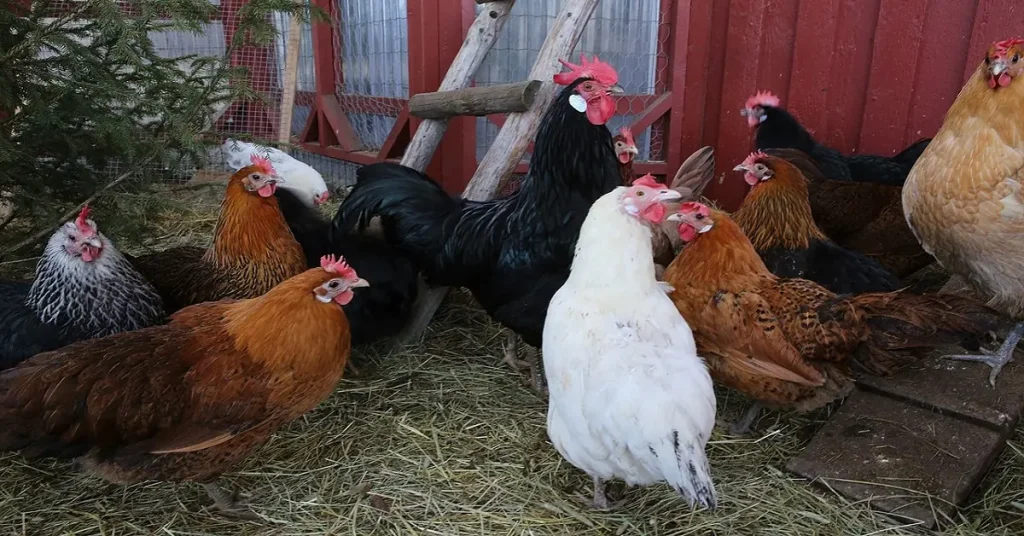
How to Care for Chickens as a Beginner
There’s a ton of information out there about raising chickens, and for those who haven’t tried it, it might seem like a pretty complicated thing to do. However, with the right guidance and a basic understanding of their needs, raising chickens can be a relatively easy and straightforward process.
Key Questions and Decisions Before Starting Chicken Keeping
Before acquiring chickens, it’s essential to answer a few questions and make some decisions.
Is it legal to raise chickens where you live?
In some states and jurisdictions, there are restrictions related to keeping chickens, especially if you reside in an urban area. It is essential to research the regulations about chicken keeping in your area, including any limitations that may exist.
Focus on aspects such as:
Permissible number of chickens, whether roosters are allowed, the maximum size of the chicken coop, and the required distance between the coop and the neighboring property boundary. Additionally, consider checking for any other relevant regulations that may affect chicken keeping.
It’s advisable to contact local authorities or consult local ordinances to ensure compliance with the law and to enjoy a smooth and legal experience in raising chickens in your area.
Do you have enough space to build a coop and provide a roaming area?
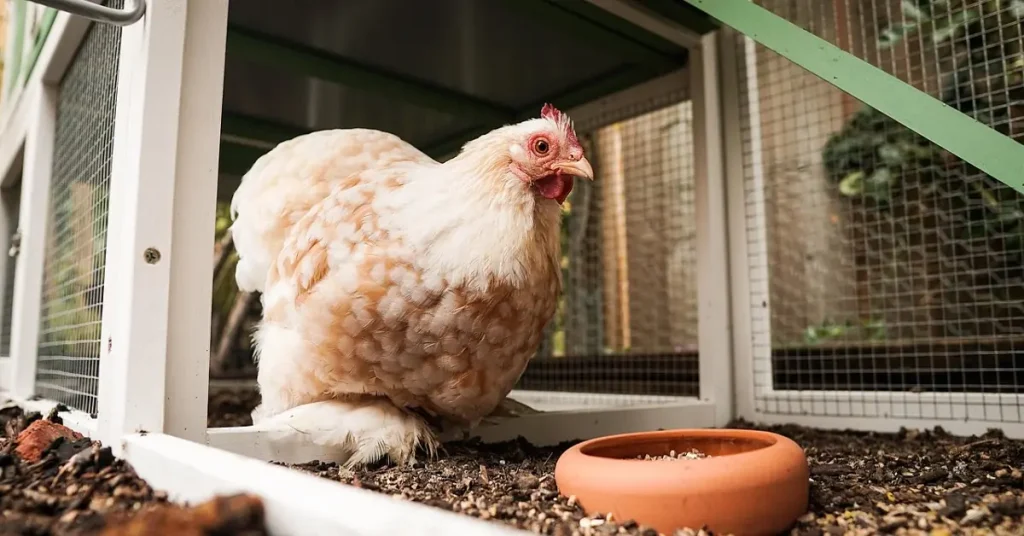
Do you have sufficient space to build a coop and chicken run that is well-protected from potential hazards and ensures comfort for the chickens?
This is a very important question especially if you live in town and you have a small backyard.
But how much space do chickens need?
The space requirements for chickens depend on different factors, including the breed, purpose (meat or egg production), and whether they have access to an outdoor area.
For an average chicken breed 3-4 square feet per chicken in the coop. For the outdoor space If chickens are kept in an enclosed run without free-ranging, aim for a minimum of 7-8 square feet per bird.
What type of chickens do you want to raise – for meat, for eggs or both?
Answering this question will help you decide what chicken breed will be best for you and will determine your approach to caring for the chickens.
Do you have enough time to dedicate to them?
Raising chickens does not require much time, but they still have basic requirements that need to be observed.
Do you have enough time for care routines, including feeding, cleaning, and monitoring the health of the chickens? Regular care is a crucial element of successful chicken keeping.
Here’s an overview of the average time commitments involved in caring for chickens:
- Dayli Tasks – Allocate about 10 minutes per day to feed, provide fresh water and collect the eggs. While doing this also observe the flock and check for signs of illness or any unusual behavior.
- Weekly Tasks – You will need about 10-20 min for cleaning the waterer, refreshing bedding, and cleaning nesting boxes.
- Monthly Tasks – You will need about 30 minutes to 1 hour (depending on the size of the coop and the flock) to clean the coop, change the bedding, and conduct a health check on all the chickens.
Additionally, inspect the chicken coop and the enclosed space where the chickens roam, checking the fences for any holes or potential risks. Be aware that predators are always on the lookout for opportunities to attack.
Sometimes, during our daily tasks, we may overlook that the mesh has rusted somewhere, a hole has appeared, or another potential opportunity for predators to attack, catching us off guard. Personally, I have experienced this, losing four hens in the third month since I started raising chickens.
Chickens or ready-to-lay hens to choose?
Or fertilized eggs?
In fact, you can even acquire fertilized eggs and hatch them yourself. This is a highly engaging and educational option that not only allows you to witness the fascinating process of chicks developing in the shell but also helps to bond with your future flock from the very beginning.
However, this option has its drawbacks – it takes more time and requires purchasing an incubator. Additionally, you cannot choose the gender of the chicks, and generally, they will hatch with an equal distribution, approximately 50% male and 50% female.
Day-Old Chicks
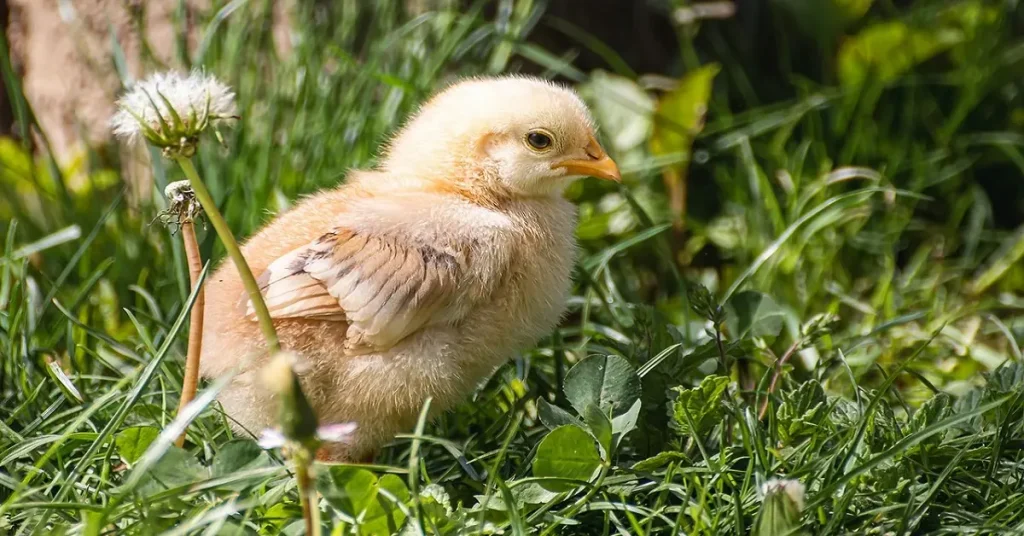
This is the most common way people start raising chickens, and it’s not by chance, as there are many advantages.
Pros of choosing Day Old Chickens
- Choosing day-old chicks also allows you to establish a connection with the future flock from day one.
- At the same time, the little chicks are much more affordable than fully grown hens.
- If you order them from a hatchery, you can select the gender.
Certainly, like anything else, there are drawbacks.
- They are more expensive than fertilized eggs.
- There is a risk during delivery by mail or courier, and unfortunately, although rarely, some chicks may not survive.
- Young chicks require more intensive care compared to mature hens. You need to provide them with a protected space with a heat source, constant access to clean water and food, and, of course, protection from predators.
- They need to reach 18-22 weeks old before they begin laying eggs.
Acquiring juvenile chickens – Pullets and Cockerels
What Are Pullets and Cockerels?
Pullets are young female chickens that are typically between the ages of 4 to 6 months and have not yet started laying eggs.
Cockerels are young roosters.
Choosing pullets for your backyard flock has both advantages and disadvantages.
Pros:
- Pullets are close to the age of laying eggs, so you won’t have to wait as long as you would with day-old chicks.
- Compared to day-old chicks, pullets are more self-sufficient and require less intensive care. They are better able to regulate their body temperature and eat a regular diet.
- Pullets are young hens, so you are certain of their gender. This is advantageous if you want to avoid potential issues associated with roosters, which can be challenging to identify accurately in chicks.
- Pullets can be introduced into an existing flock more easily than mature hens. They are generally more adaptable and can integrate well with older chickens.
Cons:
- Purchasing pullets is typically more expensive than buying day-old chicks.
- They won’t have that close bond with you like baby chicks do, so they might need a bit of socializing.
- Depending on where you get your pullets, they may already have established habits and behaviors. While this can be an advantage in some cases, it might be challenging to change certain habits if they were not raised with the care you intend to provide.
- It is not advisable to purchase pullets that need to be shipped to you by courier. A better option is to buy them locally.
Choosing full-grown, ready-to-lay hens and roosters
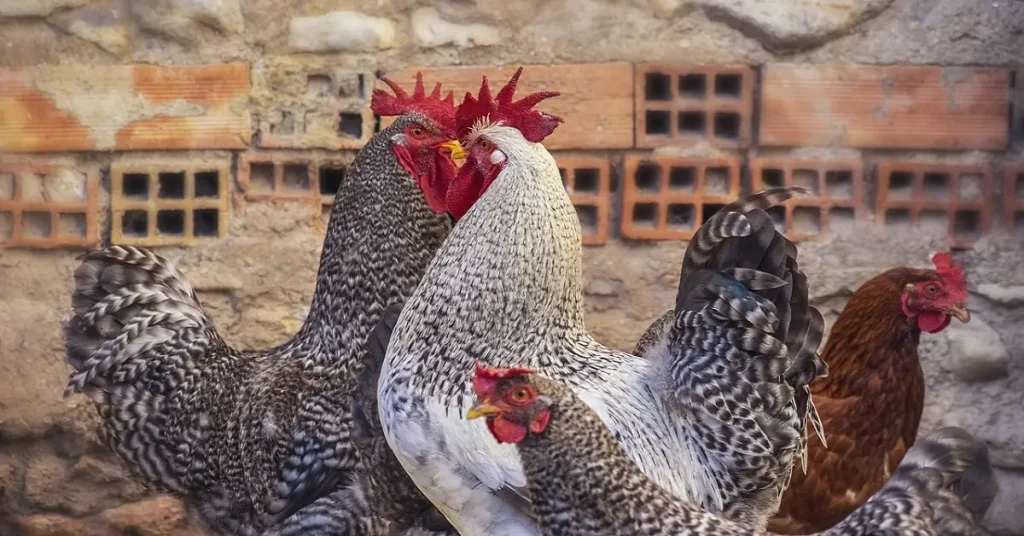
If you want to start getting eggs from your chickens right away, then you may consider purchasing full-grown hens.
Pros:
- They begin laying eggs almost immediately after introducing them into their new home.
- You skip the stage of development where they require the most intensive care. Meaning less work for you.
- Their gender is guaranteed.
Cons:
- Their cost is significantly higher than that of small chicks.
- The age of the hens cannot be precisely determined. Therefore, caution is needed when buying, as there is a risk of being misled and acquiring older hens that may stop to lay eggs soon.
- Similarly to pullets, full-grown hens may have developed habits and behavior that you may not like.
- It is also more challenging to introduce hens to an existing flock compared to introducing pullets.
What Chicken Breed to choose?
Choosing the right chicken breed for your backyard flock involves considering various factors based on your preferences, goals, and the conditions of your environment.
Firstly, you have to determine your primary purpose for raising chickens. Are you interested in egg production, meat, both, or just having chickens as pets? Different breeds are specialized for specific purposes.
There are hundreds of chicken breeds, and it’s a broad topic, but here I’ll try to briefly provide some guidance based on your specific goal.
Choose breeds that are well-suited to your climate. Some chickens are more cold-hardy, while others thrive in warmer temperatures. Local breeds or those adapted to your region may be more resilient.
Different breeds have varying temperaments. Some are docile and friendly, making them suitable as pets, while others may be more active or independent.
If aesthetics matter to you, consider the color and appearance of the chickens. Some breeds have distinctive plumage patterns, feather colors, or unique features. Polish, Silkies, or Cochins, for example, are known for their distinct appearance.
Chicken breeds for eggs
If your main goal is egg production, research breeds known for their prolific laying abilities.
- Rhode Island Red – Excellent layers, producing around 250–300 large brown eggs per year. They are hardy birds that keep laying consistently even in less-than-ideal conditions.
- Sussex – Reliable egg producers, laying 250 or more tinted/light-brown eggs annually. They are known to continue laying well into colder months.
- Australorp – Famous for their record-breaking egg production — up to 300+ large brown eggs per year. Consistent and steady layers, ideal for anyone focused on egg supply.
- Leghorn – Prolific layers of 280–320 white eggs annually. However, their nervous and flighty temperament makes them less beginner-friendly despite their productivity.
Chicken breeds for meat production
- Red Ranger – A slow-growing meat bird that forages well and develops strong, flavorful meat. They are hardier than Cornish Cross and better suited for free-range systems.
- Cornish Cross – The most common commercial meat breed, known for extremely rapid growth and tender, high-yield meat. They require careful management because of their fast weight gain.
- Plymouth Rock (heritage) – A classic dual-purpose heritage breed, producing good-quality meat along with a steady supply of eggs. Their large size makes them a popular choice for homesteaders seeking both meat and eggs.
- Orpington (heritage) – Large-bodied and heavily feathered, Orpingtons provide excellent meat with a fine texture. They are valued for their calm temperament and usefulness as a dual-purpose bird.
Dual-purpose chicken breeds
These are types of chickens that are raised for both meat and egg production. These breeds are valued for their ability to lay a respectable number of eggs while also yielding good-quality meat.
Here are some breeds that fall in this category:
- Plymouth Rock – This breed is prized for its calm temperament, good egg production, and decent meat quality.
- Rhode Island Red – Known for its excellent egg production and good meat quality, Rhode Island Reds are hardy birds suitable for various climates.
- Orpington – Orpington chickens come in several color varieties and are valued for their large size, excellent meat quality, and decent egg production.
- Australorp – Originating from Australia, Australorps are known for their exceptional egg-laying capabilities as well as their meat quality.
Choosing the Gender of Your Chickens
Before making this choice, you must first check if raising roosters is allowed where you live.
If you’re raising chickens for meat, then gender might not matter as much to you. You can buy chicks randomly, with the probability of getting hens or roosters being around 50/50.
In most cases, people want to raise chickens for eggs or both eggs and meat. In these cases, you’ll need hens, and possibly, if allowed, you can also keep a rooster.
In fact, having a rooster in the flock of hens has some benefits:
- Roosters protect the flock and the hens.
- The hens will lay fertilized eggs, and if you decide, you can hatch chicks, which brings you one step closer to being more self-sufficient.
- And of course, will make your mornings more fun.
Setting Up Your Chicken Coop
Ready-made chicken coops sold on the market can be quite expensive. If you can afford it, this is certainly the easier option. You simply purchase a ready-made coop, assemble it in your chosen location, and you’re good to go.
Alternatively, you can search through local listings to see if anyone is offering a second-hand coop.
If you’re handy, you could build a coop from an old shed.
Or, if you have the time and willingness, you can build a coop from scratch. There are many free and paid plans available. You can browse and choose a suitable plan to get started. Paid plans are usually more detailed and precise, but there are also good free options, so it’s up to you.
When building your coop, try to use materials you already have on hand in your yard to minimize the need to purchase additional materials. Why buy something if you already have it?
Now, let’s look at some essential elements your chicken coop needs!
There are countless ways to equip a chicken coop, from the basics for a happy chicken life to various extras that can make the coop look like a luxurious chicken mansion.
Here, we’ll focus on the essential items every chicken coop needs. Everything else is a matter of personal preference.
Nesting Boxes
A nesting box should meet the conditions that chickens prefer for laying eggs. This way, they will quickly learn to lay there. The conditions should be dark, quiet, soft, and cozy. Therefore, it’s important to choose a suitable location.
You should have one nesting box for every 4-5 hens. Some experts even recommend one nesting box for every 3 hens, but currently, we have one box for every 5 hens, and it works well.
Don’t forget to place perches in front of the nesting boxes so that chickens have easy access to them and can get in and out comfortably.
We use straw in the nesting boxes, but you can also use hay, wood shavings, or a mix of these.
Ventilation
Ventilation is crucial. Without sufficient ventilation, it can become too hot inside, which can be dangerous for the chickens’ health. Additionally, excessive moisture can lead to the development of various diseases.
Ventilation is important even in winter. It’s better to have good ventilation and colder temperatures than to have it warm, humid, and stuffy.
Therefore, ensure there are enough holes or windows for good ventilation. Don’t forget to cover them with wire mesh to protect against predators.
If you have windows near the nesting boxes, you should close them in winter when it’s very cold since chickens like to lay eggs in warmer and cozier places.
Roosting Bars
You need to provide a place for the chickens to roost at night. Chickens don’t like to sleep on the ground. It’s cold and damp, and they feel more secure when they perch on something higher.
Provide enough space so that all chickens have somewhere to roost and sleep comfortably.
Place the lowest bar about 2 feet (around 60 cm) off the ground, using flat boards wide enough for chickens to step on with their entire feet. This way, they’ll be more comfortable, and their feathers will cover their feet when they lie down, preventing them from freezing in winter.
Enclosed Chicken Run
This is the outdoor enclosed and secured area where your chickens can safely roam and do their chicken stuff.
It is preferable to place the food and water here to prevent mess inside the chicken coop.
As mentioned earlier, around 7-8 square feet per chicken are necessary, with 10 square feet per chicken being better. If you can provide more space, that’s even better.
Tip: When constructing your chicken coop and enclosed run, if you have a specific number of chickens in mind, it’s better to make it slightly larger to have space for potential future additions to your flock.
When building the enclosed space for your chickens, use wire mesh buried at least 6-8 inches into the ground. This is done to protect the flock from predators that dig, as they could otherwise create a hole under the mesh and reach your chickens.
If there are aerial predators like eagles or hawks in your area, you should also cover the top of the enclosed run.
It’s best to cover it with a roof—this way, it will be protected from hawks, and it will keep the space dry when it rains, making maintenance easier. But if you cannot make it with roof at the moment you can simply cover it with wire mesh.
Chicken Supplies and Other Necessities
After setting up the chicken coop and the run, we need to consider the other essentials that chickens require – such as food, water, bedding, etc.
Food
Depending on their age, chickens have different nutritional requirements. Besides age, the food available on the market also varies in form. Now, let’s quickly look at the different types and forms of chicken food.
Chicken Feed According to Form:
- Mash – Chicken mash is a mixture crushed grains, often with added vitamins and minerals. Here, the various grains are ground, but coarse enough to be recognizable.
- Pellets – In this form, the ingredients are ground and pressed with special machines into pellet shapes. The pellets are made from a mixture of grains, vitamins, minerals, and other nutrients. Тhe advantage of this food is that minimize waste because chickens can’t pick out individual grains.
- Crumbles – Chicken feed in crumble form is similar to pellets but is broken down into smaller pieces. This form is often preferred for baby chicks.
- Whole Grains – Some chicken owners prefer to feed their flock whole grains, such as corn, wheat, barley, or oats. You can use separate feeder or just throw the grains on the ground, allowing chickens to peck and scratch for their food.
Types of food according to the chicken’s age:
- Starter Feed – This is a protein-rich feed formulated for young chicks up to around 6-8 weeks old. Usually, it is in a crumble form but you can also find it as a starter mash.
- Grower Feed – It is designed for chickens that are more than 8 weeks to around 16-20 weeks old. It has slightly lower protein levels compared to starter feed but still provides essential nutrients for continued growth.
- Layer Feed – This type of feed is specifically formulated for adult laying hens. It contains the right balance of nutrients, including calcium, to support egg laying. This type of food is intended for chickens around 18-20 weeks old and you can begin feeding it to them as soon as your pullets start laying eggs. It is available in different forms including mash, pellets and crumbles. For those of you who are growing chickens for meat there is food for broilers.
- Broiler feed – high in protein to promote rapid growth. It typically contains higher levels of energy to support quick weight gain. Broiler feed is also two types: Starter for chicks from 0-3 weeks old and Finisher for chicks over 3 weeks of age. Both the starter and finisher are typically available in mash or crumble form.
Organic chicken feed
Organic chicken feed is made from certified organic ingredients, free from synthetic pesticides, herbicides, and genetically modified organisms (GMOs). It could be in the form of pellets, crumbles, and mash.
You can also create your own mix, but for this, you need to be well-informed and follow the ratios of the nutrients that your chickens need.
With the right setup and a little daily attention, learning how to care for chickens becomes a simple and rewarding part of a more sustainable life.